November 24, 2026
How to Remove Mould From Outdoor Walls in Redland Bay
By @sethivbu331
Redland Bay’s humid coastal conditions, summer rainfall and shaded outdoor areas encourage mould growth on exterior walls. Removing it effectively involves more than washing away dark marks: you also need to address moisture, choose a surface-safe cleaning method and prevent contaminated runoff from entering stormwater drains.
Check the Wall Before Cleaning
Mould commonly appears as patchy black, brown or green spotting, although algae, dirt and other surface growth can look similar. Green, slippery growth is often algae, while white, powdery deposits on brickwork may be efflorescence rather than mould. Appearance alone does not reliably identify the organism.

Inspect the wall for peeling paint, loose render, damaged mortar and persistent dampness. Leaking gutters, overflowing downpipes, garden irrigation https://pressurecleaningredlandbay.com.au/about/ and vegetation against the building can keep surfaces wet. Fixing the moisture source is essential for reducing regrowth.
How to Clean Mould From Outdoor Walls
- Prepare the area. Move outdoor furniture, close nearby windows and keep children and pets away. Protect plants and identify where wash water will flow. Wear gloves, splash-resistant eye protection, enclosed footwear and a well-fitting P2 respirator when disturbing mould.
- Choose a suitable cleaner. Select an exterior mould cleaner labelled for the wall material, whether painted weatherboard, render, brick or concrete. Follow the product label and the surface manufacturer’s instructions. Test a small, inconspicuous area first.
- Apply carefully. Work in manageable sections during mild, calm weather. Avoid spraying overhead or creating airborne mist. Allow the label-specified contact time without letting the cleaner dry on the wall unless instructed otherwise.
- Agitate gently if required. Use a soft-bristled brush on sound surfaces. Avoid wire brushes and abrasive pads that can damage coatings or masonry.
- Rinse as directed. Where rinsing is required, use low-pressure water and avoid forcing it behind cladding, into vents or around window seals. Contain and collect contaminated wash water rather than allowing it into gutters or stormwater drains.
- Inspect after drying. Remaining discolouration does not necessarily mean active mould remains. Avoid repeatedly applying stronger chemicals; reassess the surface and seek advice if staining persists.
Choose a Method That Protects the Surface
Painted Walls and Render
Gentle cleaning is generally preferable for painted surfaces and render. High-pressure washing can strip paint, erode finishes and drive water through cracks. Low-pressure cleaning still requires care: the cleaning chemical, concentration and contact time must suit the surface.
Brick and Concrete
Sound masonry may tolerate more robust cleaning, but deteriorated mortar and porous surfaces need particular caution. Avoid using acid as a general mould treatment. If a wall needs repainting, allow it to dry thoroughly and follow the coating manufacturer’s preparation requirements.
Important Chemical and Runoff Precautions
Never mix bleach with vinegar, acids, ammonia or other cleaning products. Dangerous gases can result. Household bleach is not automatically suitable for every exterior surface, and stronger mixtures can damage finishes, plants and metal fittings.
In Redland Bay, protecting waterways is particularly important because stormwater can discharge towards local creeks and Moreton Bay. Do not hose chemical residue or mould-contaminated wash water into the street. Check current Redland City Council guidance for suitable containment and disposal arrangements before starting.
Reduce Mould Regrowth
- Clear gutters and repair leaking roof drainage.
- Trim vegetation away from walls to improve airflow and drying.
- Redirect sprinklers so they do not repeatedly wet the building.
- Keep drainage paths clear and investigate damp patches that persist during dry weather.
- Inspect shaded walls after extended wet periods and clean small areas before growth spreads.
When to Call an Exterior Cleaning Professional
Arrange professional help for extensive or recurring growth, fragile coatings, difficult access or walls requiring work at height. Suspected asbestos-cement cladding must not be pressure washed, sanded or aggressively scrubbed; obtain specialist advice before disturbing it.
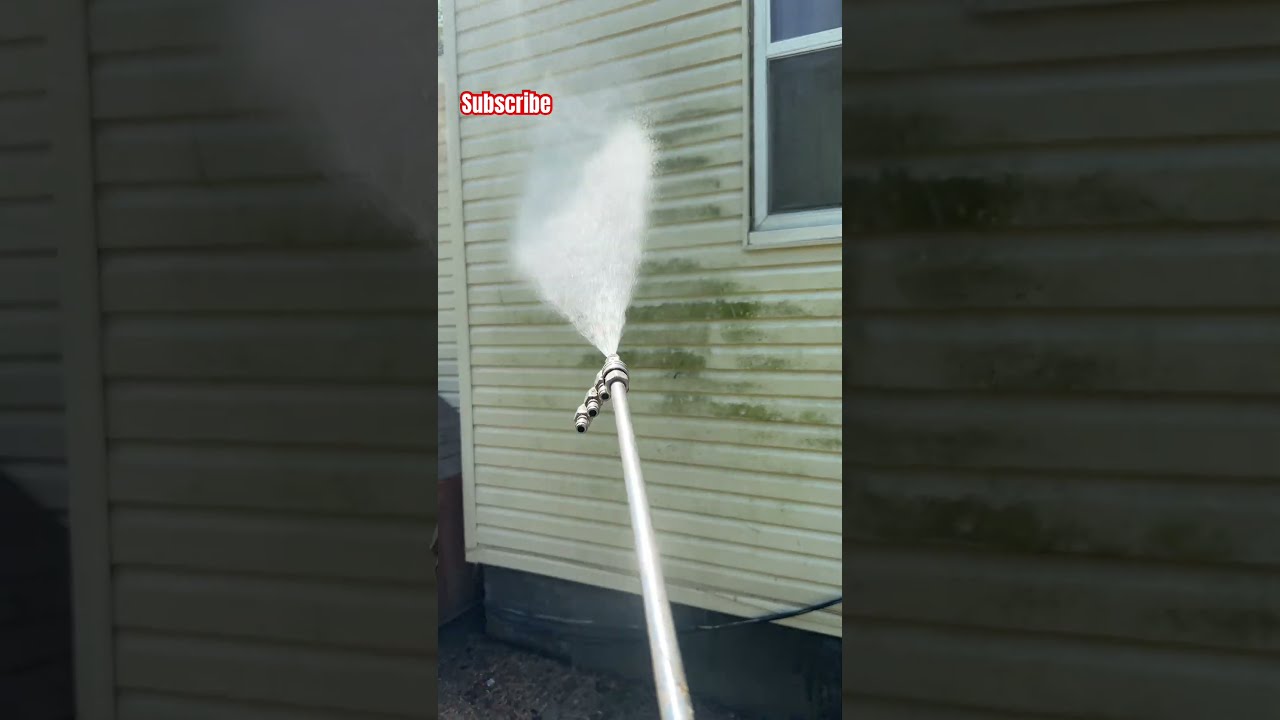

Choose a Redland Bay exterior cleaning provider who assesses the surface, explains chemical precautions and has a clear runoff-management plan. If dampness or internal mould accompanies the exterior growth, investigate the underlying building problem rather than relying on surface cleaning alone.
Redland Bay Pressure Cleaning
(07) 3179 6040
❧